The Ultimate Guide to Brain Health: Optimizing Cognitive Function and Memory for Life
Your brain is the body’s most complex and powerful organ. It influences memory, intelligence, decision-making, emotional balance, creativity, coordination, and overall quality of life. Yet many people don’t think about brain health until they begin to notice changes, forgetfulness, difficulty focusing, slower thinking, or mental fatigue. The good news is that brain health is not fixed. It can be strengthened, supported, and optimized at any age through intentional lifestyle habits and proactive care.
Scientific research has uncovered a wealth of information about how the brain changes over time and what factors influence its resilience. Cognitive decline is not an unavoidable part of aging; it is heavily influenced by diet, exercise, mental activity, stress, sleep, and overall lifestyle. Neuroplasticity, the brain’s ability to reorganize itself by forming new neural connections, continues throughout life, meaning you can enhance cognitive performance at virtually any age.
This comprehensive guide explores everything you need to know about optimizing brain health and memory, how the brain functions, what affects cognitive decline, and the most effective strategies to keep your mind sharp, focused, and full of vitality for decades.
Understanding How the Brain Ages
The brain changes naturally over time, but not all changes indicate disease. Some are normal, while others are influenced by lifestyle choices.
1. Reduced Neuroplasticity
As people age, the brain becomes slightly less flexible in forming new neural pathways.
2. Decline in Neurotransmitters
Levels of dopamine, serotonin, and acetylcholine gradually decrease, affecting mood, attention, and memory.
3. Slower Processing Speed
Information may be processed more slowly, even though intelligence remains intact.
4. Mild Memory Changes
Occasional forgetfulness becomes more common with age.
5. Increased Oxidative Stress
Free radicals cause cellular damage, accelerating brain aging.
6. Reduced Blood Flow to the Brain
Aging arteries deliver less oxygen and nutrients, impacting cognitive capacity.
However, these age-related changes can be slowed, minimized, and even reversed through proactive habits.
Key Factors That Influence Brain Health
Understanding what supports or harms the brain helps you make better long-term decisions.
1. Nutrition
The brain requires essential nutrients like omega-3 fats, antioxidants, amino acids, and B vitamins to function optimally.
2. Sleep
Memory consolidation and neural repair happen during sleep. Poor sleep accelerates cognitive decline.
3. Stress
Chronic stress damages neurons, shrinks key brain regions, and disrupts cognitive performance.
4. Physical Activity
Exercise promotes blood flow and stimulates brain growth factors that support memory and learning.
5. Mental Stimulation
Challenging the brain keeps neural pathways strong and encourages new connections.
6. Social Interaction
Healthy social activity reduces cognitive decline and supports emotional well-being.
7. Environmental Toxins
Pollution, chemicals, excessive alcohol, and smoking contribute to neurological aging.
A brain-healthy lifestyle integrates all these factors.
How to Optimize Brain Health and Enhance Memory
Below are proven strategies to improve cognitive function, memory, focus, concentration, and long-term brain resilience.
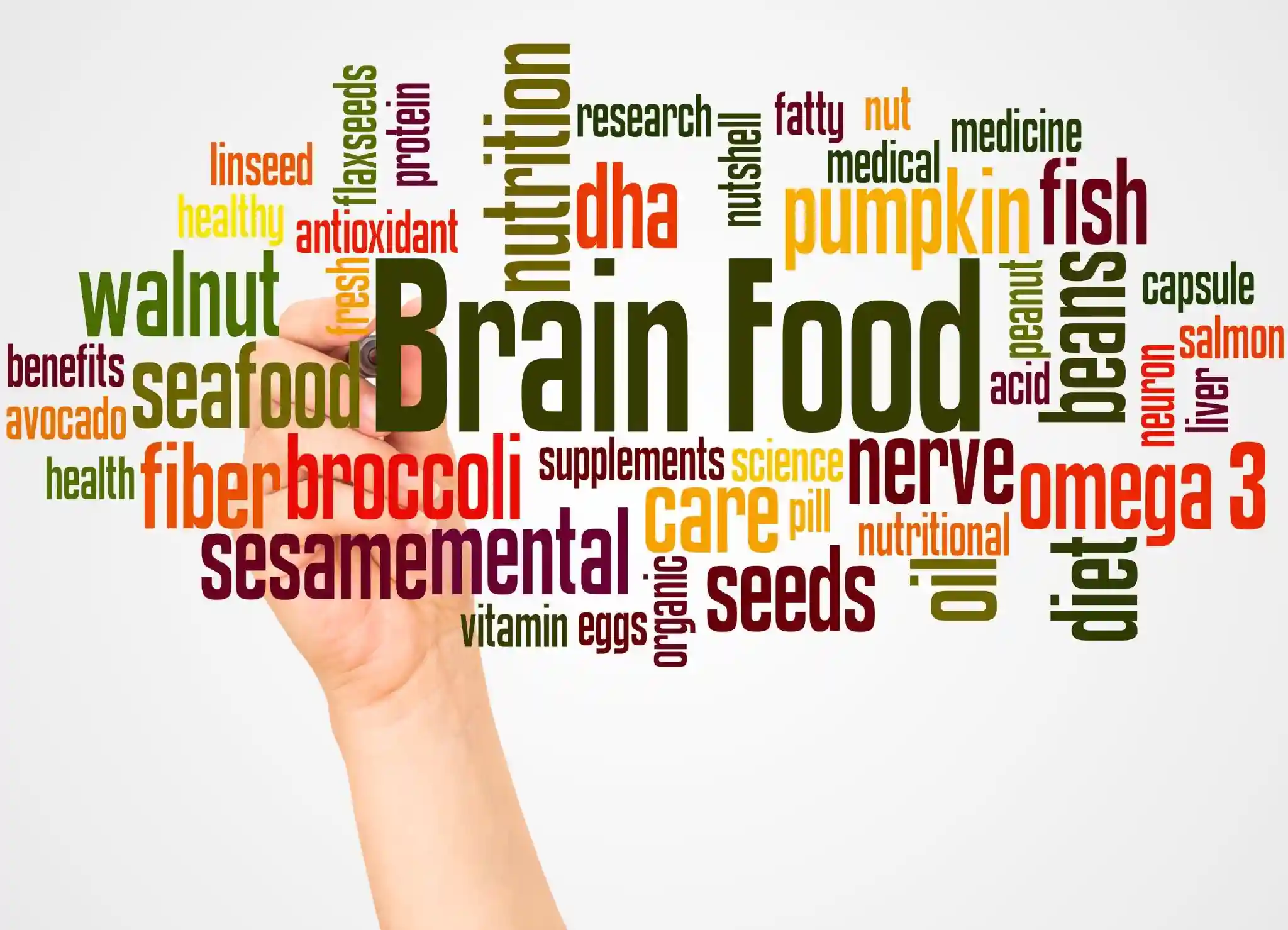
1. Eat a Brain-Boosting Diet
Nutrition plays a major role in brain health. The brain draws nearly 20% of the body’s energy, so feeding it properly is essential.
Foods that improve brain function include:
- Fatty fish: rich in omega-3 fatty acids
- Leafy greens: high in antioxidants and vitamins
- Berries: reduce oxidative stress and improve memory
- Nuts and seeds: support neurotransmitter production
- Avocados: healthy fats that support blood flow
- Turmeric: contains curcumin, a powerful anti-inflammatory compound
- Whole grains: fuel the brain with steady glucose
Reducing sugar, processed foods, and trans fats can dramatically improve brain performance.
2. Prioritize Regular Physical Activity
Exercise is one of the most powerful tools for brain health. It stimulates the production of BDNF (brain-derived neurotrophic factor), which supports neuron growth.
Cognitive benefits of exercise include:
- Improved memory
- Better mood
- Faster thinking
- Enhanced focus
- Reduced stress
- Better sleep
- Increased neuroplasticity
Aerobic activities like walking, running, swimming, and dancing are especially beneficial.
3. Support Cognitive Function With Quality Sleep
Sleep is not simply rest, it is a highly active neurobiological process. During sleep, the brain:
- Clears toxins
- Repairs neurons
- Consolidates memories
- Recharges neurotransmitter levels
- Balances hormones
Adults generally need 7–9 hours of high-quality sleep for optimal cognitive health.
4. Reduce Chronic Stress to Protect Neurons
Chronic stress releases cortisol, which damages the hippocampus, the brain region responsible for memory and learning.
Effective stress-reduction techniques include:
- Meditation
- Deep breathing
- Yoga or Tai Chi
- Nature walks
- Journaling
- Mindfulness practices
Reducing stress supports improved decision-making, emotional balance, and mental clarity.
5. Stimulate Your Brain With Lifelong Learning
Cognitive stimulation strengthens neural pathways and reduces the risk of cognitive decline.
Brain-engaging activities include:
- Learning a new language
- Reading challenging books
- Playing strategy games or puzzles
- Practicing musical instruments
- Creative writing
- Problem-solving activities
The more you challenge your brain, the stronger it becomes.
6. Maintain Strong Social Connections
Social interaction stimulates cognitive activity and protects against depression, memory loss, and emotional decline.
Benefits of social engagement:
- Reduces stress
- Boosts mood
- Strengthens neural connections
- Improves attention and memory
- Encourages positive brain chemistry
Isolation, on the other hand, accelerates aging and cognitive deterioration.
7. Support Brain Health With Proper Hydration
Even mild dehydration affects concentration, mood, and memory.
Hydration supports:
- Healthy brain cell communication
- Optimal blood flow
- Hormonal balance
- Electrolyte stability
Consistent water intake is a simple yet powerful brain-health practice.
8. Protect Brain Health With Antioxidants and Anti-Inflammatory Foods
Oxidative stress and inflammation damage neurons and impair cognitive function.
Antioxidant-rich foods include:
- Dark berries
- Green tea
- Spinach
- Tomatoes
- Dark chocolate
- Nuts and seeds
Incorporating anti-inflammatory foods protects the brain and promotes mental longevity.
9. Support Brain Chemistry With Balanced Hormones
Hormones influence everything from mood to clarity to memory.
Hormones that affect cognitive health include:
- Cortisol
- Estrogen
- Testosterone
- Thyroid hormones
- Insulin
Healthy diet, sleep, and stress management help maintain hormonal stability.
10. Maintain a Healthy Weight for Better Cognitive Performance
Excess body weight contributes to inflammation, insulin resistance, and reduced brain volume.
Healthy weight management protects memory, sharpens focus, and improves long-term neurological health.
11. Avoid Toxins That Harm the Brain
Toxins reduce brain volume, weaken neurons, and accelerate aging.
Avoid or minimize:
- Excessive alcohol
- Smoking
- Processed foods
- Environmental pollutants
- Heavy metals exposure
Protecting the brain from toxins supports lifelong cognitive resilience.
12. Practice Mental Recovery and Rest
Just like muscles, the brain needs recovery time. Overworking the mind leads to burnout, poor focus, and reduced memory capacity.
Incorporate short breaks, relaxation sessions, and periods of creative rest.
13. Support Brain Health With Supplements When Needed
Some supplements support memory, focus, and neurological function. These include:
- Omega-3 fatty acids
- Vitamin D
- B vitamins (especially B6, B12, folate)
- Magnesium
- Curcumin
- Lion’s Mane mushroom
- CoQ10
Consulting a healthcare provider ensures safe and effective use.
14. Maintain Cardiovascular Health
The brain depends on steady blood flow to function properly. Cardiovascular health influences cognitive clarity, memory, and problem-solving ability.
Support heart-brain connection through:
- Exercise
- A balanced diet
- Stress reduction
- Healthy blood pressure
- Avoiding smoking
A healthy heart equals a healthy brain.
15. Keep Your Brain Engaged Through Creativity
Creativity stimulates multiple brain regions at once.
Creative activities include:
- Drawing
- Writing
- Designing
- Crafting
- Painting
- Music
Creativity enhances mood, brain flexibility, and emotional health.
16. Practice Mindfulness for Improved Cognitive Control
Mindfulness enhances attention, emotional stability, and memory retention by strengthening prefrontal cortex activity.
Even 10 minutes a day can make a meaningful impact.
Frequently Asked Questions
1. What is the most important factor for long-term brain health?
There is no single factor; instead, a combination of healthy habits contributes to long-term brain health. Regular exercise, quality sleep, strong nutrition, mental stimulation, stress control, and social interaction together play the largest role in protecting memory, improving focus, and maintaining cognitive performance throughout life.
2. How can I improve my memory naturally?
Improving memory naturally requires consistent habits such as staying mentally active, exercising regularly, eating brain-supporting foods, reducing screen overload, and practicing proper sleep hygiene. Activities like reading, puzzles, learning new skills, and minimizing chronic stress help strengthen neural connections that support long-term memory.
3. Are brain training apps effective for cognitive improvement?
Brain training apps can be beneficial when combined with a broader lifestyle approach. They help strengthen specific cognitive skills, such as processing speed and memory. However, real-life learning experiences, like studying new topics, social engagement, and creative activities, offer more comprehensive brain stimulation and long-term benefits.
4. How does stress affect cognitive function?
Chronic stress increases cortisol levels, which damage brain cells, shrink the hippocampus, impair memory, and reduce mental clarity. Long-term stress also disrupts sleep and mood. Managing stress through mindfulness, relaxation techniques, breathing exercises, and lifestyle adjustments helps protect brain health and improves cognitive resilience.
Final Thoughts
Brain health is not determined by age alone, it’s shaped by choices, habits, and intentional daily actions. When you nourish your brain with proper nutrition, physical activity, mental stimulation, stress management, and restorative sleep, you create an environment where cognitive function can thrive. The brain is incredibly adaptable, and its ability to grow and reorganize continues throughout life.
By adopting these brain-supportive strategies, you can maintain sharper memory, stronger focus, and better mental clarity well into older age. Caring for your brain is one of the greatest investments you can make, influencing not only your longevity but also your quality of life, independence, and emotional well-being.
Tag Here