What is the primary difference between the central and peripheral nervous system?
The
human nervous system is one of the most sophisticated networks in the body, working continuously to interpret information, coordinate movement, regulate internal functions, and maintain balance. To understand how the nervous system works, it is necessary to distinguish between its two major divisions: the central nervous system (CNS) and the peripheral nervous system (PNS).
Although they function together as a unified system, each division has a distinct structure and specific roles. Understanding the differences between the CNS and PNS is essential for grasping how the body processes information, reacts to stimuli, and maintains homeostasis. This guide explores these systems in depth, explaining what they are, how they differ, and why these differences matter for your health and daily functioning.
Overview of the Two Major Divisions
The nervous system is divided into:
- Central nervous system (CNS): Includes the brain and spinal cord. It processes information and makes decisions.
- Peripheral nervous system (PNS): Includes all nerves outside the CNS. It gathers sensory information and carries out motor commands.
These two systems communicate constantly, forming a continuous cycle of sensation, interpretation, and response.
The Central Nervous System (CNS): Structure and Role
The CNS is the control center of the body. It receives information from the PNS, analyzes it, stores memories, makes decisions, and sends signals back out to coordinate actions.
1. Brain
The brain is the most complex organ, responsible for:
- Thought
- Memory
- Emotion
- Language
- Decision-making
- Coordination
- Sensory interpretation
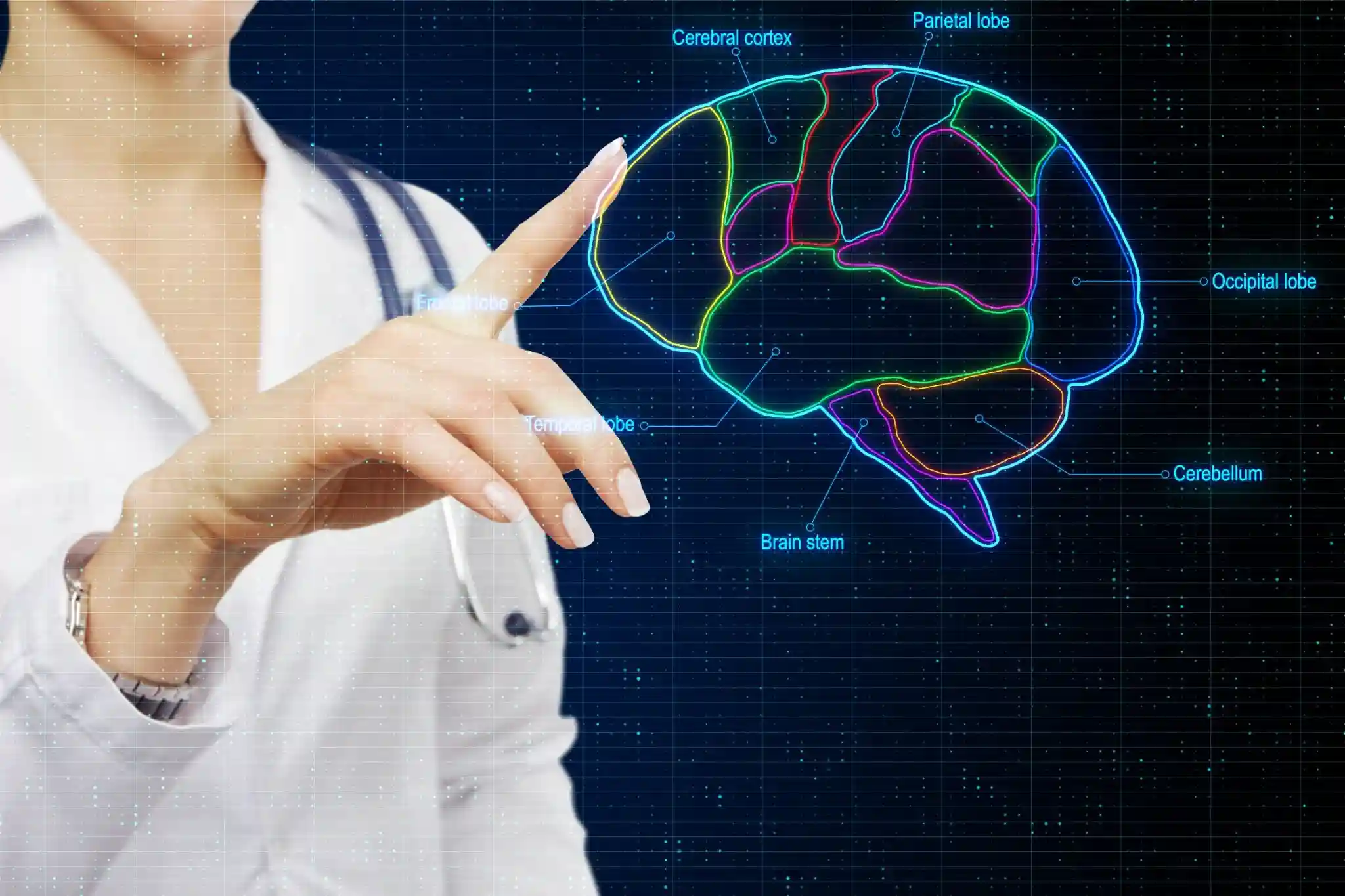
Its main regions include the cerebrum, cerebellum, and brainstem.
2. Spinal Cord
The spinal cord serves as the primary communication highway between the brain and the rest of the body. It:
- Transmits motor commands
- Carries sensory input to the brain
- Controls reflex actions
It also plays a key role in posture, balance, and motor coordination.
The Peripheral Nervous System (PNS): Structure and Role
The PNS connects the CNS to the rest of the body. It sends information from sensory receptors to the CNS and carries instructions from the CNS to muscles and organs.
The PNS includes:
1. Somatic Nervous System
Controls voluntary functions such as:
- Walking
- Speaking
- Writing
- Grasping objects
It sends sensory input like touch, temperature, and pain to the CNS.
2. Autonomic Nervous System (ANS)
Controls involuntary activities such as:
- Heart rate
- Blood pressure
- Digestion
- Breathing patterns
- Hormone release
The ANS has two branches:
- Sympathetic system (“fight-or-flight”)
- Parasympathetic system (“rest-and-digest”)
Primary Difference Between the Central and Peripheral Nervous System
The main difference between the CNS and PNS lies in their function and location.
Central Nervous System (CNS)
- Processes information
- Interprets sensory input
- Generates thoughts and emotions
- Stores memories
- Initiates motor instructions
- Protected by bones and cerebrospinal fluid
Peripheral Nervous System (PNS)
- Collects sensory information
- Sends data to the CNS
- Carries out motor commands
- Controls voluntary and involuntary movements
- Spread throughout the entire body
- Not protected by bone
In simple terms:
- The CNS is the command center.
- The PNS is the communication network between the body and the command center.
Structural Differences Between the CNS and PNS
1. Anatomical Location
- CNS: Brain and spinal cord, located in the skull and vertebral column
- PNS: Nerves branching from the spinal cord and brain, extending throughout the body
2. Protection
- CNS: Protected by bone (skull, spine), meninges, and cerebrospinal fluid
- PNS: Exposed to injury; no bony protection
3. Regeneration Ability
- CNS: Very limited capacity for repair
- PNS: Better ability to regenerate damaged nerves
4. Neuron Types
- CNS: Mostly interneurons for processing
- PNS: Sensory and motor neurons for communication
These differences influence how damage affects each system.
Functional Differences Between the CNS and PNS
1. Information Processing vs. Information Transportation
- CNS processes incoming information, forms thoughts, and initiates responses.
- PNS transports messages to and from the CNS.
2. Voluntary vs. Involuntary Functions
- CNS coordinates both voluntary and involuntary responses.
- PNS controls voluntary movement (somatic system) and involuntary functions (autonomic system).
3. Reflex Control
- The spinal cord (CNS) controls reflexes without brain involvement.
- The PNS gathers the sensory input needed to trigger the reflex.
4. Sensory Interpretation
- The PNS detects sensations.
- The CNS interprets them.
How the CNS and PNS Work Together
Even though the two systems differ structurally and functionally, they are tightly interconnected.
Example:
- You touch a hot surface.
- Sensory nerves (PNS) send a signal to the spinal cord (CNS).
- The spinal cord triggers an immediate reflex to pull your hand away.
- The brain then interprets the event as “pain” and forms a memory to avoid it next time.
Without the PNS, the CNS would have no information. Without the CNS, the PNS would have no instructions.
Disorders Affecting the CNS and PNS Differently
CNS Disorders
Because the CNS is heavily protected but has limited regeneration, damage often leads to long-term issues.
Examples include:
- Stroke
- Multiple sclerosis
- Traumatic brain injury
- Parkinson’s disease
- Alzheimer’s disease
- Spinal cord injury
PNS Disorders
PNS damage may affect movement and sensation, but recovery is more likely.
Examples include:
- Peripheral neuropathy
- Carpal tunnel syndrome
- Guillain-Barré syndrome
- Nerve compression injuries
- Diabetic nerve damage
Understanding the difference helps doctors treat conditions effectively.
Why the Difference Between CNS and PNS Matters for Human Health
1. Treatments Differ Based on System
CNS disorders often require long-term therapy, while PNS injuries may respond to surgical repair or regeneration treatments.
2. Symptoms Reveal the Source of Damage
- CNS damage = memory loss, paralysis, cognitive issues
- PNS damage = numbness, tingling, muscle weakness
3. Different Risks and Protection Levels
The CNS is well protected but vulnerable once damaged. The PNS is exposed but more capable of healing.
Frequently Asked Questions
1. Why can peripheral nerves regenerate but central nerves cannot?
Peripheral nerves have specialized cells called Schwann cells that guide regeneration and help repair damaged fibers. The CNS lacks these structures and instead contains inhibitory molecules that restrict growth. Additionally, scar tissue in the CNS blocks healing, making regeneration extremely limited compared to the PNS.
2. Which system is responsible for reflex actions—the CNS or PNS?
Reflex actions are coordinated by the spinal cord, which is part of the CNS. However, the PNS provides the sensory input and motor output required for the reflex to happen. This means both systems work together, but the CNS makes the decision instantly without involving the brain.
3. How can I keep both the CNS and PNS healthy?
A nutritious diet, regular physical activity, adequate sleep, hydration, stress management, and protection from toxins all support nervous system health. Avoiding excessive alcohol, controlling chronic conditions like diabetes, and maintaining good posture also help preserve nerve function throughout life.
Final Thoughts
The primary difference between the central and peripheral nervous systems lies in their structure and role. The CNS acts as the body’s command center, processing information and making decisions, while the PNS serves as the communication network that connects the entire body to the CNS. Understanding these differences provides insight into how movement, sensation, thought, and reflexes occur so seamlessly.
Both systems work together in constant harmony. When one system is affected, the other also suffers. By learning how each division contributes to overall health, you can take steps to protect your neurological function and support long-term physical and cognitive well-being. A healthy nervous system is essential for a strong, active, and balanced life.
Tag Here