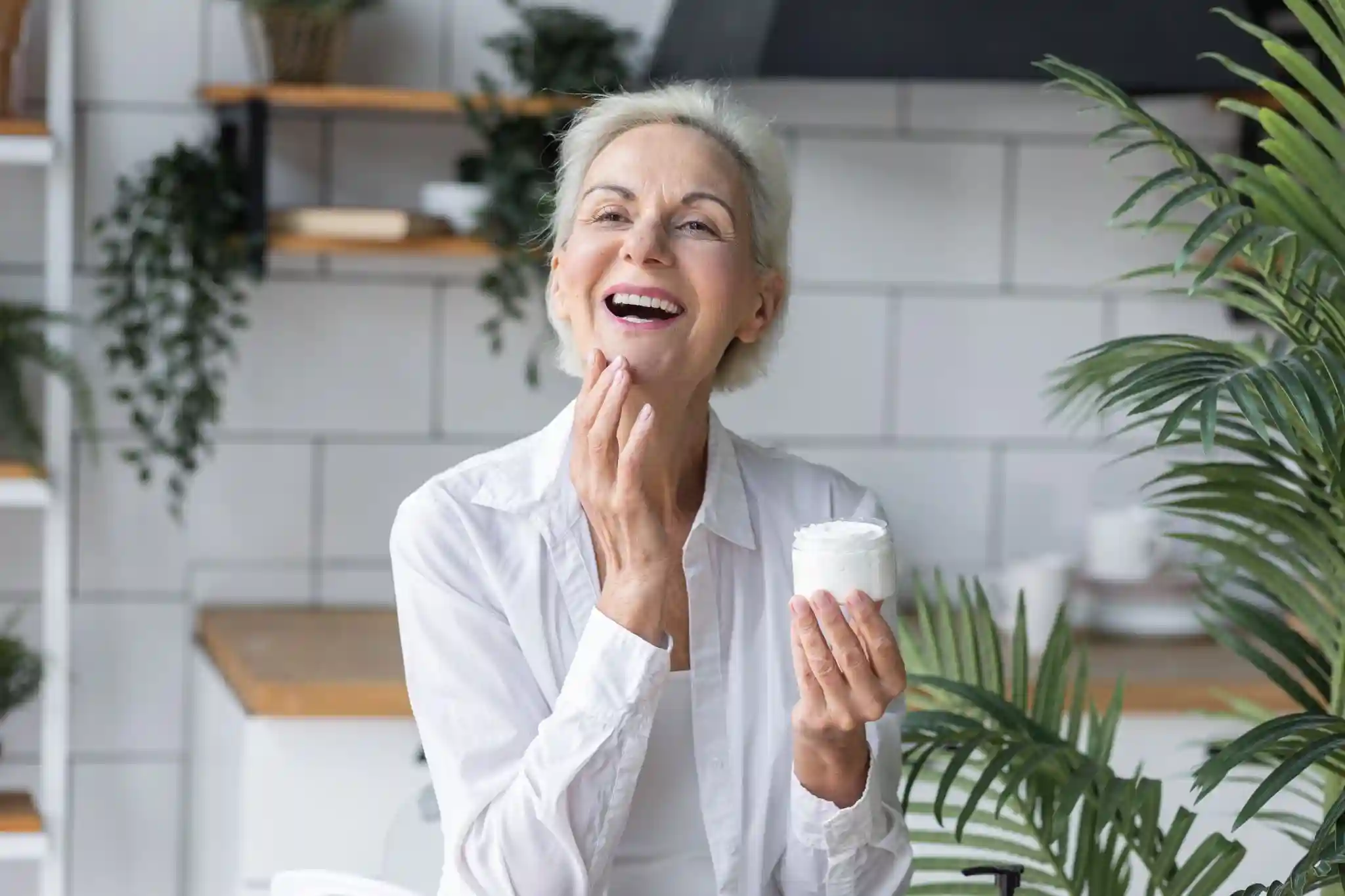
What are the most effective anti-aging tips for maintaining healthy skin and joint mobility?
Aging gracefully involves more than avoiding wrinkles, it involves protecting the structure, strength, and resilience of the body from the inside out. Two areas that reveal aging most clearly are the skin and the joints. Over time, skin becomes thinner, less elastic, and more prone to dryness, while joints may stiffen, weaken, or become painful due to reduced cartilage, decreased collagen, and chronic inflammation.
Although aging is inevitable, the rate and severity of these changes vary greatly from person to person. Genetics play a role, but lifestyle choices, daily habits, and long-term behaviors influence how quickly skin ages and how well joints remain mobile. Science continues to reveal that nutrition, physical activity, hydration, sleep, and skincare habits all determine how youthful the skin looks and how fluidly the joints move.
This
comprehensive guide explores the most effective anti-aging strategies backed by research to keep your skin healthy, protect collagen, support joint cartilage, reduce inflammation, and help your body stay strong and active as it ages.
Understanding How Skin Ages
Before exploring solutions, it helps to understand why the skin changes with age.
1. Collagen Breakdown
Collagen provides structure, firmness, and elasticity. Aging reduces collagen production, leading to sagging and wrinkles.
2. Reduced Elastin
Elastin fibers, responsible for skin’s ability to stretch and bounce back, degrade with age and sun exposure.
3. Slower Cell Turnover
Skin renewal slows, causing dullness and rough texture.
4. Dehydration
Aging skin holds less moisture, resulting in dryness and fine lines.
5. Fat Loss Under the Skin
Loss of facial fat leads to hollowness and deeper wrinkles.
6. Environmental Damage
UV rays, pollutants, toxins, and lifestyle habits accelerate visible aging.
Understanding these factors helps you target the root causes, not just the symptoms, of skin aging.
Understanding How Joints Age
Joint aging is influenced by both mechanical and biological factors.
1. Cartilage Wear
Cartilage, which cushions joints, wears down over time due to movement and inflammation.
2. Reduced Synovial Fluid
Synovial fluid lubricates joints. Aging decreases its production, leading to stiffness.
3. Muscle Loss
Muscles support joints. Loss of muscle mass increases pressure on joint surfaces.
4. Chronic Inflammation
Low-grade inflammation accelerates cartilage breakdown and joint deterioration.
5. Decreased Flexibility
Aging connective tissues become less elastic, leading to stiffness.
Proactive strategies can slow or significantly reduce joint degeneration.
The Most Effective Anti-Aging Tips
The following science-backed practices protect both skin and joints from age-related decline.
1. Nourish Your Body With Anti-Inflammatory Nutrition
What you consume directly affects your skin’s glow and your joints’ mobility. A nutrient-dense diet reduces inflammation, supports collagen, and prevents oxidative stress.
Key food groups include:
- Omega-3-rich foods: salmon, chia seeds, walnuts
- Antioxidants: berries, leafy greens, herbs
- Vitamin C: citrus, bell peppers, kiwi (essential for collagen synthesis)
- Healthy fats: avocados, olive oil, nuts
- Protein: supports collagen and muscle repair
- Bone-building minerals: calcium, magnesium, zinc
Avoiding processed sugar also protects collagen and reduces joint inflammation.
2. Stay Hydrated to Support Skin Elasticity and Joint Lubrication
Water plays a critical role in maintaining:
- Skin moisture
- Synovial fluid production
- Collagen function
- Tissue elasticity
- Nutrient absorption
Dehydration exaggerates wrinkles and increases joint stiffness. Consistent hydration, combined with electrolytes when necessary, keeps tissues supple and resilient.
3. Use Sunscreen Daily to Protect Collagen
UV damage is the biggest external factor in skin aging. It breaks down collagen, weakens elastin, and increases pigmentation.
Daily sunscreen benefits:
- Protects against aging and wrinkles
- Prevents sunspots and discoloration
- Reduces skin cancer risk
- Maintains elasticity
Even on cloudy days, UV rays penetrate the skin, making daily protection essential for long-term anti-aging.
4. Strength Train to Preserve Muscle and Protect Joints
Strength training is one of the most powerful anti-aging tools available. It strengthens muscles, which reduces pressure on joints and improves mobility.
Benefits for joints:
- Less strain on ligaments
- Improved alignment
- Greater stability
- Reduced risk of injury
Benefits for skin:
- Increased blood circulation
- Enhanced oxygen delivery
- Better nutrient transport
- Improved cellular turnover
Muscle-building exercises also increase hormones that support tissue repair.
5. Support Collagen Production Naturally
Collagen is essential for both skin structure and joint cushioning. While collagen declines with age, you can support production through lifestyle and nutrition.
Effective strategies include:
- Eating collagen-rich foods (bone broth, fish skin)
- Increasing vitamin C intake
- Taking collagen peptides
- Avoiding smoking and excessive alcohol
- Reducing chronic stress
Collagen supplements are widely studied and have shown benefits for skin elasticity and joint pain relief.
6. Engage in Regular Low-Impact Exercise
Low-impact movement preserves joint health and encourages flexibility.
Best options include:
- Swimming
- Cycling
- Yoga
- Pilates
- Tai Chi
- Water aerobics
These activities reduce stress on joints while keeping the body active and supporting circulation.
7. Prioritize Sleep for Recovery and Repair
During deep sleep, the body repairs tissues, regenerates skin cells, recovers muscles, and balances hormones.
Poor sleep increases:
- Inflammation
- Premature aging
- Cortisol spikes
- Joint pain sensitivity
- Dark circles and dull skin
Good sleep is one of the top anti-aging strategies for both skin and joints.
8. Keep Weight Within a Healthy Range to Protect Joint Integrity
Excess weight adds unnecessary stress to joints, especially the knees, hips, spine, and feet.
Benefits of maintaining a healthy weight include:
- Reduced joint pain
- Lower inflammation
- Improved mobility
- Slower cartilage damage
Even small weight reductions can significantly lower joint strain.
9. Strengthen Mobility and Flexibility Through Daily Stretching
Flexibility decreases with age unless maintained intentionally.
Stretching:
- Reduces stiffness
- Improves range of motion
- Increases blood flow
- Improves posture
- Reduces injury risk
A daily 5–10 minute stretching routine can keep joints moving smoothly for years.
10. Support Joint Health With Nutrients and Supplements
Certain nutrients support cartilage, joint lubrication, and anti-inflammatory balance.
Common joint-supporting supplements include:
- Glucosamine
- Chondroitin
- Turmeric/curcumin
- Omega-3 DHA/EPA
- Collagen peptides
- Magnesium
- Vitamin D
- Hyaluronic acid
Combined with proper diet and exercise, these nutrients help maintain long-term mobility.
11. Reduce Chronic Stress to Slow Internal Aging
High stress accelerates aging internally and externally through cortisol, inflammation, and hormonal disruption.
Stress-management strategies include:
- Breathwork
- Meditation
- Nature walks
- Journaling
- Restorative yoga
- Listening to music
Stress reduction improves skin glow, hormonal balance, and joint resilience.
12. Stimulate Blood Circulation for Skin and Joint Nourishment
Healthy circulation supports tissue repair and nutrient delivery.
Ways to stimulate circulation:
- Massage
- Hot-cold contrast showers
- Movement breaks
- Warm water therapy
- Dry brushing
Improved circulation enhances joint mobility and skin tone.
13. Eat Foods Rich in Hyaluronic Acid Precursors
Hyaluronic acid helps the skin retain moisture and lubricates joints.
Support it with foods like:
- Sweet potatoes
- Bone broth
- Citrus fruits
- Leafy greens
Proper hyaluronic acid levels enhance skin plumpness and joint glide.
14. Avoid Smoking and Excessive Alcohol
Both habits accelerate aging dramatically.
Smoking destroys collagen, reduces skin oxygenation, and contributes to inflammation.Alcohol dehydrates the skin, disrupts sleep, stresses the liver, and increases inflammation in joints.
Eliminating or reducing these habits promotes long-term vitality.
15. Maintain Consistent Movement Throughout the Day
Sedentary habits worsen stiffness and slow circulation.
Practice:
- Hourly movement
- Light stretching breaks
- Short walks
- Standing desk use
Movement prevents joint stiffness and contributes to healthier skin through improved nutrient transport.
Frequently Asked Questions
1. What are the best foods for both healthy skin and strong joints?
Foods rich in omega-3 fats, antioxidants, vitamin C, and collagen-building proteins are ideal. Salmon, walnuts, berries, leafy greens, citrus fruits, bone broth, and avocados support skin elasticity while reducing joint inflammation. These foods nourish tissues, protect cartilage, and improve long-term mobility and glow.
2. Can collagen supplements really help with anti-aging?
Research suggests collagen peptides can improve skin elasticity, hydration, and firmness while also reducing joint pain. They help replenish collagen lost through aging, strengthen connective tissues, and support cartilage repair. Consistency is important—results often appear after 8–12 weeks of daily use.
3. What role does exercise play in anti-aging for joints and skin?
Exercise increases blood flow, boosts collagen production, strengthens muscles, supports joint lubrication, and reduces inflammation. Strength training protects bones and joints, while aerobic exercise enhances circulation. The combined benefits support smoother skin, better flexibility, and stronger long-term mobility.
4. How important is sleep for skin and joint health?
Sleep is crucial because it is the time when the body repairs cells, balances hormones, and reduces inflammation. Poor sleep weakens collagen production, worsens joint pain, and accelerates aging. Consistent, restful sleep improves skin clarity, joint comfort, and overall vitality.
Final Thoughts
Aging gracefully doesn’t depend on genetics alone, it depends on daily habits that protect your cells, nourish your tissues, and support your body’s natural repair systems. By adopting a proactive lifestyle that includes balanced nutrition, regular exercise, hydration, strength training, and proper sleep, you can dramatically improve both skin appearance and joint mobility as the years pass.
The best anti-aging strategy is consistency. Small, science-based choices made every day keep the skin glowing, the joints flexible, and the mind clear. When you fuel your body with intention and support your health from within, aging becomes a journey of strength, vitality, and confidence rather than decline.
Tag Here